
Cheapest SR-22 Insurance After a DWI — Louisiana
Free to compare
The SR-22 Filing Fee Is Not the Cost You're Fighting
You were convicted of DWI in Louisiana. The Louisiana Office of Motor Vehicles sent you a notice: you need SR-22 proof of financial responsibility before your driving privileges can be restored, and it must stay active for three years. You search for 'cheapest SR-22 insurance' expecting to compare filing fees. What you find instead is a market where some carriers will not write your policy at all, and the ones that will charge premiums that make the SR-22 filing fee—typically $25 to $50—irrelevant by comparison.
The structural confusion: SR-22 is not insurance. It is a certificate your insurer files with OMV confirming you carry at least Louisiana's statutory minimum liability coverage: $15,000 per person, $30,000 per accident for bodily injury, and $25,000 for property damage. The certificate costs almost nothing. The policy backing that certificate is what costs money, and post-DWI that policy is difficult to obtain at any price from standard-market carriers. Most drivers do not realize this distinction until they call their current carrier and hear 'we do not offer SR-22 filing' or 'we cannot renew your policy after a DWI conviction.'
“The SR-22 filing costs $25 to $50. The policy behind it costs $150 to $280 per month. Most post-DWI drivers chase the wrong number.”

See Who Insures Louisiana Drivers After a DUI
Get My Louisiana DUI Insurance Quote$150–$280/mo
Post-DWI Louisiana Premium Range
Louisiana non-standard carriers writing post-DWI policies with SR-22 filing typically quote monthly premiums in this range for state-minimum liability coverage, depending on age, parish, and prior driving history. Actual quotes vary by carrier and individual risk profile.
Estimates based on available Louisiana non-standard market rate data; individual rates vary.
Which Carriers Will Write Your Post-DWI Policy in Louisiana
Louisiana has 17 major auto carriers writing policies statewide, but only six explicitly write post-DWI coverage with SR-22 filing capability confirmed: Bristol West, Direct Auto, Geico, National General, Progressive, and The General. State Farm writes SR-22 but does not confirm post-DWI acceptance in all underwriting tiers. Allstate, Amica, Farmers, Hartford, Liberty Mutual, and Travelers are standard-market carriers that either do not file SR-22 or do not underwrite post-DWI risks in Louisiana.
This matters because you cannot shop broadly. You are choosing from a subset of the market, and that subset prices risk differently. Bristol West, Direct Auto, and The General are non-standard carriers—they specialize in high-risk drivers and price accordingly. Geico and Progressive are standard carriers with non-standard divisions; their willingness to write your policy depends on whether your DWI was first-offense, whether you completed an approved substance abuse program, and how long ago the conviction occurred. National General operates in the middle: standard-market branding, but underwriting appetite for post-DWI risks that standard carriers reject.
The 'cheapest' carrier is not static. Geico may quote $160/month if you are over 30 with a first-offense DWI and no other incidents in five years. The General may quote $220/month for the same profile if you are under 25. Direct Auto may quote $185/month regardless of age but require you to purchase through a local agent rather than online. You cannot determine the cheapest option without quoting all six carriers that will write the policy at all.

You cannot buy SR-22 from a carrier that will not underwrite your post-DWI policy. The filing is subordinate to the policy—no policy, no filing.





Why Non-Owner SR-22 Policies Cost Less and When They Apply
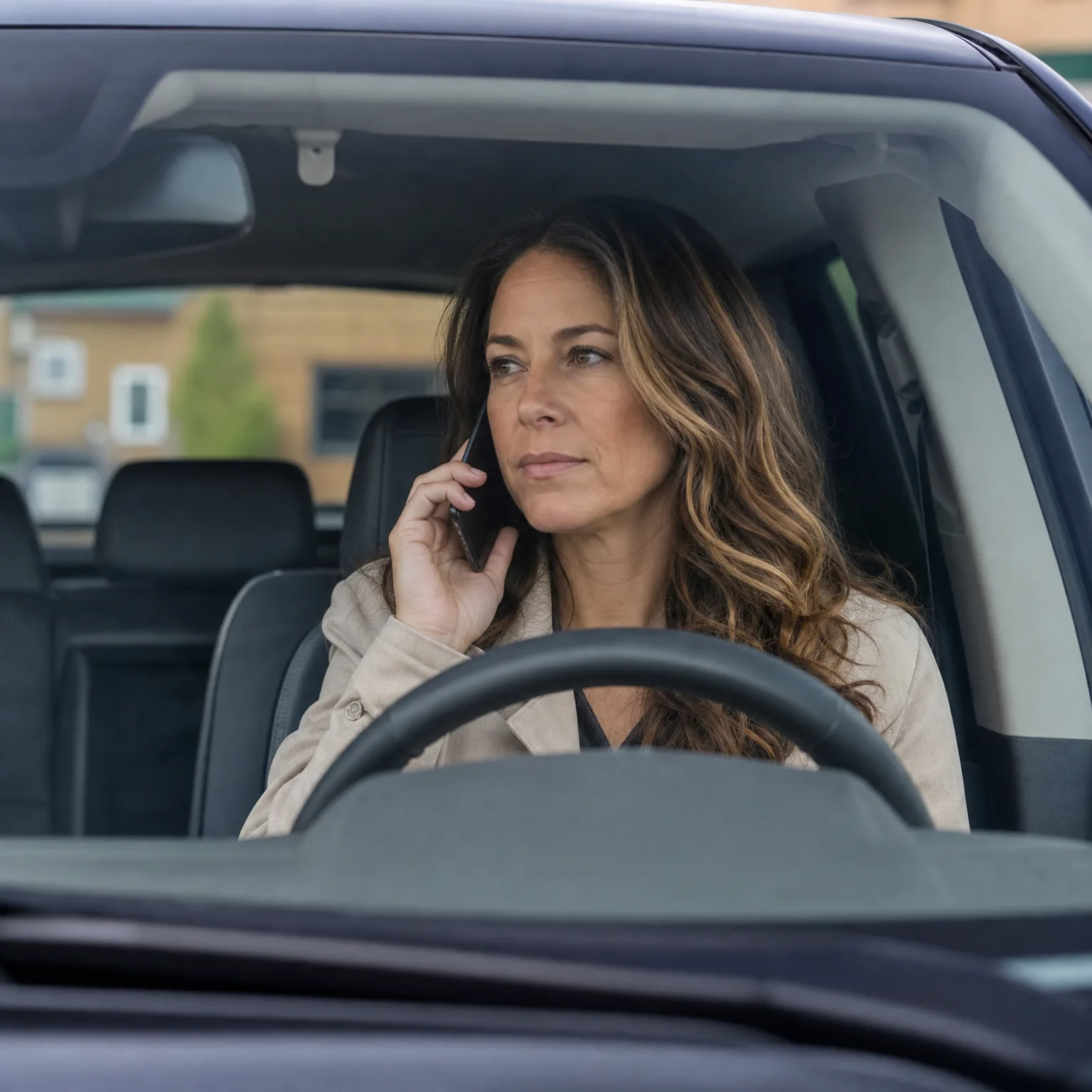
If you do not own a vehicle but need SR-22 to satisfy OMV's financial responsibility requirement—common when your car was totaled, repossessed, or sold after the DWI conviction—you can obtain a non-owner SR-22 policy. This covers liability when you drive a vehicle you do not own: a borrowed car, a rental, or a vehicle provided by an employer. It does not cover a vehicle registered in your name or kept at your residence.
Non-owner policies cost significantly less because they cover lower exposure: you are not the primary driver of any specific vehicle, so insurers price the risk as occasional use rather than daily commuting. Geico, Progressive, and The General all write non-owner SR-22 policies in Louisiana. Typical monthly premiums range from $50 to $90 for state-minimum liability limits, compared to $150 to $280 for standard owner policies. The SR-22 filing fee is identical—$25 to $50—but the base policy premium drops because there is no vehicle to insure.
Non-owner SR-22 satisfies OMV's SR-22 requirement completely. It allows you to apply for a restricted license (Louisiana's hardship license program for DWI convictions) and it keeps your SR-22 filing active during the three-year mandatory period. The restriction: if you later purchase a vehicle or move into a household with a vehicle registered in your name, you must convert to a standard owner policy immediately. Driving a vehicle you own or that is registered to you under a non-owner policy voids coverage, and OMV will suspend your license again when the insurer reports the policy as insufficient.
10 days
Louisiana Insurer Lapse Reporting Window
Under Louisiana's electronic insurance verification system (LAIVS), insurers must report policy cancellations or lapses to OMV within 10 days. OMV suspends the driver's license immediately upon receiving the lapse notification, with no grace period or advance warning sent to the driver.
La. R.S. 32:863.1 and OMV LAIVS operational protocol.

How to Compare Carriers When Standard Comparison Tools Exclude You
Most online auto insurance comparison tools exclude post-DWI drivers automatically. You enter your information, the system runs a background check, and the quotes either do not populate or return 'we are unable to provide a quote at this time.' This happens because the tool aggregates standard-market carriers that do not underwrite post-DWI risks. The tool is not broken—you are outside its addressable market.
To compare the six carriers that will write your policy, you must quote each directly. Geico and Progressive allow online quotes for post-DWI drivers if the conviction is older than 90 days and you have completed any court-ordered programs. Bristol West, Direct Auto, and The General require phone quotes or in-person agent visits. National General allows online quotes but often redirects to an agent for final underwriting approval. Expect to spend 30 to 60 minutes per carrier. Provide your DWI conviction date, your current SR-22 requirement letter from OMV, and whether you completed Louisiana's substance abuse screening or DWI education program—all three data points affect your quoted rate.
When comparing quotes, confirm the following details explicitly: Does this quote include SR-22 filing, or is the $25 to $50 filing fee added at purchase? Does the quoted rate apply for the full six-month term, or will it adjust mid-term? Does the carrier require an ignition interlock device (IID) as a condition of coverage—some carriers will not write post-DWI policies without IID proof even if OMV does not mandate it for your restricted license? What triggers non-renewal: only another DWI, or any moving violation during the policy term? Carriers do not volunteer this information upfront. You must ask.
Compare Post-DWI Carriers That Write SR-22 in Louisiana
You now know the structural reality: the SR-22 filing itself costs almost nothing, the policy backing it is where the expense lives, and only six carriers in Louisiana will write that policy after a DWI conviction. The cheapest option is not universal—it depends on your age, parish, how long ago the conviction occurred, and whether the carrier's underwriting model penalizes your specific risk profile more or less than competitors. You cannot determine the answer without quoting all six.
Start with Geico and Progressive if your DWI is first-offense and older than six months—they often quote the lowest rates for drivers who meet their underwriting criteria. Move to Bristol West, The General, and Direct Auto if Geico and Progressive decline or quote above $200/month. Consider non-owner SR-22 through Geico, Progressive, or The General if you do not own a vehicle and do not plan to purchase one during the three-year SR-22 window. Request quotes from all applicable carriers, compare total cost over six months including the SR-22 filing fee, and confirm renewal terms in writing before purchasing. The three-year SR-22 requirement means the relationship with your carrier matters as much as the initial monthly premium.
How Louisiana's Three-Year SR-22 Requirement Changes Your Coverage Decision
The three-year window creates a coverage commitment most post-DWI drivers underestimate. If you let your policy lapse at any point during those three years—miss a payment, cancel coverage, switch carriers without ensuring continuous SR-22 filing—OMV suspends your license again immediately under Louisiana's electronic insurance verification system (LAIVS). Your insurer reports the lapse to OMV within 10 days of cancellation. OMV does not send a grace-period warning. The suspension is automatic, and reinstatement requires starting the SR-22 clock over in most cases.
This makes the 'cheapest' carrier calculation longer-term than most drivers realize. A carrier quoting $150/month now but known for non-renewing post-DWI policies after the first six-month term costs more over three years than a carrier quoting $175/month with stable renewal practices. Bristol West and The General renew post-DWI policies routinely if premiums stay current. Direct Auto operates on shorter renewal cycles and may re-underwrite your risk every six months, leading to mid-term rate increases. Geico and Progressive rarely non-renew but reserve the right to move you into higher-cost non-standard tiers at renewal if another incident occurs during the three-year window. Stability over three years is the real cost variable, not the initial monthly quote.
Get Your Free Quote
Get My Louisiana DUI Insurance QuoteFrequently Asked Questions
Does Louisiana require SR-22 after every DWI conviction?
Yes. Louisiana law mandates SR-22 proof of financial responsibility for three years following any DWI conviction, measured from the conviction date. This applies to first-offense, second-offense, and subsequent DWI convictions. The requirement cannot be waived or shortened, and it must remain active continuously for the full three-year period or OMV suspends your license again.
Can I get SR-22 insurance if I don't own a car in Louisiana?
Yes. Louisiana allows non-owner SR-22 policies that satisfy OMV's financial responsibility requirement without insuring a specific vehicle. Geico, Progressive, and The General write non-owner SR-22 policies in Louisiana, typically costing $50 to $90 per month for state-minimum liability limits. The policy covers you when driving borrowed or rented vehicles, and it keeps your SR-22 filing active during your three-year mandatory period.
How much does the SR-22 filing itself cost in Louisiana?
The SR-22 certificate filing fee ranges from $25 to $50 in Louisiana, depending on the insurance carrier. This is a one-time fee paid when the carrier files the SR-22 form electronically with the Louisiana Office of Motor Vehicles. The filing fee is separate from your monthly insurance premium, which costs significantly more for post-DWI drivers.
What happens if my SR-22 insurance lapses in Louisiana?
Louisiana OMV suspends your license immediately when your insurer reports a policy lapse or cancellation. Insurers must report lapses within 10 days under Louisiana's electronic insurance verification system. OMV does not send a grace-period warning. You must obtain new SR-22 coverage, pay a reinstatement fee, and in many cases restart your three-year SR-22 filing clock from the date of the new filing.
Which insurance companies offer the cheapest SR-22 rates after a DWI in Louisiana?
Geico and Progressive typically quote the lowest post-DWI SR-22 rates in Louisiana for drivers over 30 with first-offense convictions, often $150 to $180 per month. Bristol West, Direct Auto, The General, and National General write policies for drivers Geico and Progressive decline, with rates typically $180 to $280 per month. The cheapest carrier varies by your age, parish, and how recently the DWI conviction occurred.
Can I switch insurance carriers during my three-year SR-22 period in Louisiana?
Yes, but the SR-22 filing must remain continuous. When switching carriers, your new insurer must file a new SR-22 certificate with OMV before you cancel your old policy. Any gap in SR-22 coverage—even one day—triggers an automatic license suspension. Coordinate the switch directly with both carriers to ensure the new SR-22 filing reaches OMV before the old one is cancelled.
Do I need SR-22 to get a restricted license in Louisiana after a DWI?
Yes. Louisiana requires SR-22 proof of financial responsibility as a condition of issuing a restricted license (hardship license) following a DWI suspension. You must serve a 90-day hard suspension period first, then apply for the restricted license through OMV with SR-22 proof and enrollment in the state's ignition interlock device program. The SR-22 must remain active for the full three years even after your unrestricted license is reinstated.