
SR-22 Cost in Louisiana — DWI Filers
Free to compare
The Upfront Cash Problem DWI Filers Face
You received your DWI conviction notice yesterday and called three carriers this morning. Two refused to quote you. The third quoted $312 per month for SR-22 insurance, then mentioned a $75 filing fee, then mentioned you need ignition interlock installed before they'll bind coverage. You asked the IID vendor for a quote: $150 installation, $85 monthly monitoring, $100 removal fee at the end. You're still in the 90-day hard suspension. You cannot drive to work. Your income dropped by half because rideshare to the job site costs $40 per day. The carrier wants the first month plus the filing fee upfront. The IID vendor wants the installation fee before they schedule the appointment. The Office of Motor Vehicles wants $125 to process reinstatement when the three years end. Every entity wants their money now, during the 90 days when you have the least cash to give them.
The monthly SR-22 premium is not the cost problem. The simultaneous upfront fees are the cost problem. Louisiana requires ignition interlock for all DWI convictions during the hard suspension and through restricted-license eligibility. That requirement adds $1,200–$2,100 to your first-year insurance outlays that rate calculators ignore. This article walks the actual cash outlay sequence, names which fees you pay when, and identifies which carriers structure payment to reduce the upfront burden.
“The monthly SR-22 premium is not the cost problem. The simultaneous upfront fees are the cost problem.”

See Who Insures Louisiana Drivers After a DUI
Get My Louisiana DUI Insurance Quote$260–$508/mo
Louisiana DWI SR-22 Premium
Monthly premium range for Louisiana drivers with a DWI conviction requiring SR-22 filing, 24–55% higher than clean-record rates. Actual quote depends on age, parish, vehicle, and which non-standard carrier writes your risk.
ValuePenguin + Insurify after-DUI by-state analysis, 2026
What SR-22 Actually Costs in Louisiana
SR-22 is not a policy type. It is a certificate your liability carrier files with the Louisiana Office of Motor Vehicles proving you carry at least the state minimum: $15,000 bodily injury per person, $30,000 per accident, $25,000 property damage. You buy liability insurance first. The carrier files the SR-22 certificate electronically with OMV as proof of future financial responsibility. Louisiana requires SR-22 for three years after a DWI conviction, measured from the conviction date.
The monthly premium for SR-22 insurance after a DWI conviction in Louisiana typically ranges from $260 to $508 per month, 24–55% higher than clean-record rates. That range reflects the non-standard tier most DWI filers land in. Standard-tier carriers like State Farm and Allstate rarely write post-DWI policies in Louisiana. Non-standard carriers like The General, Bristol West, Direct Auto, and National General write the risk but charge higher premiums because DWI convictions statistically predict higher claim frequency.
The carrier charges a one-time SR-22 filing fee to submit the certificate to OMV. Filing fees are set by the carrier and vary by company; most Louisiana carriers charge $25–$75. The fee is separate from the monthly premium. Some carriers roll it into the first month's bill. Others require it upfront before binding coverage. Ask explicitly when you request the quote: 'Is the filing fee included in the first month or billed separately?'

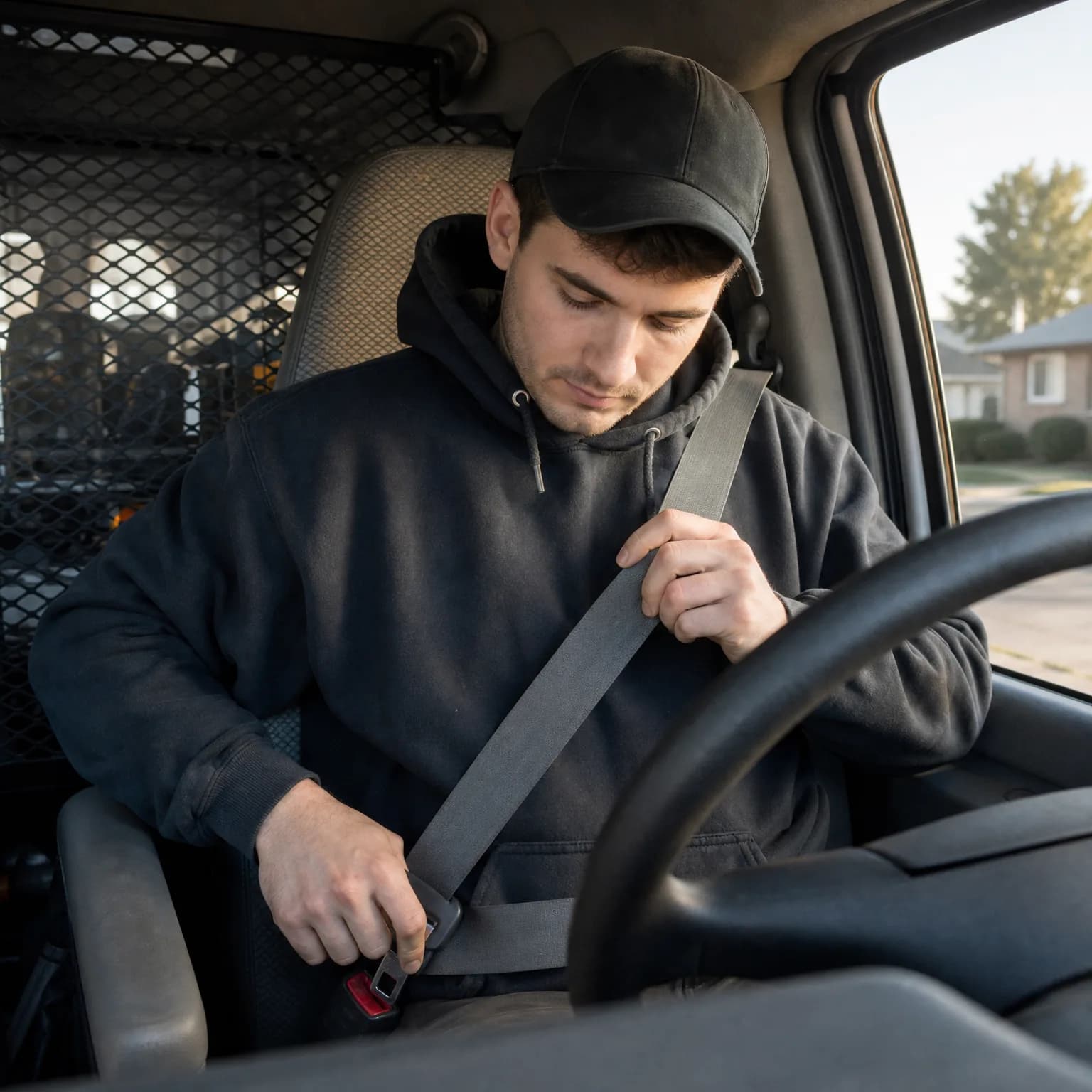
The ignition interlock deposit and installation fee hit before you can bind SR-22 coverage. Most carriers require proof of IID installation before issuing the policy.






The Reinstatement Fee Comes at the End
Louisiana charges a $125 reinstatement fee when you apply to restore your license after the suspension period ends. The fee is paid to the Office of Motor Vehicles, not the carrier. You pay it when you submit your reinstatement application, after you complete the three-year SR-22 filing period, after you complete the ignition interlock requirement, after you complete any required DWI education or substance abuse programs.
The reinstatement fee is not due upfront. It is due at the end of the process. But it is a required cost, and you should budget for it. Some parishes require additional fees for court costs or probation monitoring. Those fees vary by parish and are separate from the OMV reinstatement fee. Check with your parish clerk of court for the total amount due before your reinstatement appointment.
$125
Louisiana License Reinstatement Fee
One-time fee paid to the Louisiana Office of Motor Vehicles when applying to restore your license after completing the suspension period, SR-22 filing requirement, and ignition interlock requirement.
Louisiana Office of Motor Vehicles fee schedule

Which Carriers Structure Payment to Reduce Upfront Burden
Non-standard carriers that write Louisiana DWI risks handle upfront costs differently. Some require the first month plus the filing fee as a lump sum before binding coverage. Others allow you to roll the filing fee into monthly installments. The difference matters when you're managing the ignition interlock deposit simultaneously. Progressive, The General, and Bristol West write post-DWI SR-22 policies in Louisiana and allow monthly payment plans that include the filing fee. Direct Auto and National General also write the risk but may require the filing fee upfront depending on underwriting.
When you request quotes, ask three questions: Does the monthly premium include the filing fee or is it billed separately? Can I pay the filing fee in installments or is it due upfront? Do you require proof of ignition interlock installation before binding coverage? The answers determine your actual cash outlay in the first 30 days. A carrier quoting $280 per month with the filing fee rolled in costs less upfront than a carrier quoting $260 per month with a $75 filing fee due at binding.
Compare Non-Standard Carriers That Write Your Risk
Standard-tier carriers rarely write post-DWI SR-22 policies in Louisiana. Allstate, State Farm, and USAA typically non-renew existing policies after a DWI conviction or decline new applications outright. The non-renewal is structural, not punitive. Standard-tier carriers price for clean-record drivers. DWI convictions move you into the non-standard tier. Non-standard carriers like The General, Bristol West, Direct Auto, Progressive, and National General engineer their underwriting and pricing models specifically for high-risk drivers. They write the risk at higher premiums because they pool DWI filers, suspended drivers, and drivers with multiple violations into a separate risk class.
Compare at least three non-standard carriers before you bind coverage. Quotes vary by $100–$200 per month between carriers writing the same risk. Request quotes from The General, Bristol West, and Progressive first. All three write Louisiana DWI risks, file SR-22 electronically, and offer monthly payment plans. If those three decline or quote above $400 per month, expand to Direct Auto and National General. Do not waste time calling standard-tier carriers. They will decline the application, and you will lose days you could have spent comparing carriers that actually write your risk.
Ignition Interlock Adds $1,200–$2,100 First Year
Ignition interlock vendors in Louisiana charge three separate fees: installation ($100–$150), monthly monitoring ($75–$100), and removal ($75–$125). Installation happens before you can apply for a restricted license. Monthly monitoring continues for the duration of the IID requirement, typically 12–24 months depending on whether this is a first or subsequent DWI. Removal happens after OMV confirms you completed the requirement. Total first-year cost: $1,200–$2,100, paid to the IID vendor, not the insurance carrier.
Most SR-22 carriers in Louisiana require proof of ignition interlock installation before they bind coverage. You schedule the installation appointment with an OMV-approved vendor, pay the installation fee, get the device installed, receive the compliance certificate, then submit that certificate to the carrier when you apply for SR-22 insurance. The installation fee is due before the appointment. The first month's monitoring fee is typically due at installation. You're paying the IID vendor $175–$250 upfront before the carrier will issue the policy, on top of the carrier's first-month premium and filing fee.
Get Your Free Quote
Get My Louisiana DUI Insurance QuoteFrequently Asked Questions
How much does SR-22 insurance cost per month in Louisiana after a DWI?
Monthly premiums for SR-22 insurance after a DWI in Louisiana typically range from $260 to $508, 24–55% higher than clean-record rates. Actual cost depends on your age, parish, vehicle, and which non-standard carrier writes your risk. The carrier also charges a one-time filing fee of $25–$75 to submit the SR-22 certificate to OMV.
Do I have to pay for ignition interlock on top of SR-22 insurance in Louisiana?
Yes. Louisiana requires ignition interlock for all DWI convictions under RS 32:378.2. The device costs $100–$150 to install, $75–$100 per month to monitor, and $75–$125 to remove. Total first-year cost: $1,200–$2,100, paid to the IID vendor. Most SR-22 carriers require proof of installation before binding coverage.
Can I pay the SR-22 filing fee in installments in Louisiana?
Some carriers allow you to roll the SR-22 filing fee into monthly installments; others require it upfront before binding coverage. Progressive, The General, and Bristol West typically allow monthly payment plans that include the filing fee. Ask explicitly when you request the quote: 'Can I pay the filing fee in installments or is it due upfront?'
How long do I need SR-22 insurance in Louisiana after a DWI?
Louisiana requires SR-22 filing for three years after a DWI conviction, measured from the conviction date. The carrier files the SR-22 certificate electronically with the Office of Motor Vehicles and maintains it for the full three-year period. If you cancel coverage or let the policy lapse, the carrier notifies OMV and your license is suspended again.
What is the total upfront cost to get SR-22 insurance in Louisiana after a DWI?
Expect to pay $500–$750 upfront: first month's SR-22 premium ($260–$508), SR-22 filing fee ($25–$75), ignition interlock installation ($100–$150), and first month's IID monitoring ($75–$100). The $125 OMV reinstatement fee is due at the end of the process, not upfront.
Which insurance companies write SR-22 policies in Louisiana after a DWI?
Non-standard carriers that write Louisiana DWI risks include The General, Bristol West, Direct Auto, Progressive, and National General. Standard-tier carriers like Allstate, State Farm, and USAA typically decline new applications or non-renew existing policies after a DWI conviction. Compare at least three non-standard carriers before binding coverage.