
Ignition Interlock Insurance — Louisiana
Free to compare
The IID Installation Timing Problem
You cleared the 90-day hard suspension window after your DUI conviction. The OMV told you a restricted license is available once you enroll in the ignition interlock program and provide SR-22 proof of financial responsibility. You scheduled the IID installation with an approved vendor. Then your current insurer sent a cancellation notice effective the day before your installation appointment.
This is the single most common procedural failure point in Louisiana's restricted license process. The OMV will not issue the restricted license until both the IID enrollment confirmation and the SR-22 filing appear in their system simultaneously — but many standard carriers cancel policies the moment they learn an interlock device will be installed on the vehicle. The sequence collapses because you cannot get SR-22 filed without an active policy, and you cannot get the restricted license without both pieces in place. Here's how to sequence it correctly.
“Many standard carriers cancel policies when they learn an IID will be installed, triggering an SR-22 lapse before you ever get the restricted license approved.”

See Who Insures Louisiana Drivers After a DUI
Get My Louisiana DUI Insurance Quote90 days
LA First-Offense DUI Hard Suspension
Louisiana R.S. 32:667 mandates a 90-day hard suspension period for first-offense DUI before any restricted driving privileges become available. The restricted license application window opens the day after the hard suspension expires, not before.
La. R.S. 32:667
SR-22 and IID Are Separate Requirements That Must Overlap
Louisiana restricted licenses following DUI conviction require two distinct filings with the OMV: SR-22 proof of financial responsibility filed by your insurer, and IID enrollment confirmation filed by the interlock device vendor. Neither substitutes for the other. The OMV system checks for both before approving the restricted license application.
SR-22 is an endorsement your auto insurance carrier files electronically with the OMV certifying you carry at least Louisiana's minimum liability limits: $15,000 bodily injury per person, $30,000 per accident, and $25,000 property damage. The filing itself costs $15–$25 as a one-time carrier processing fee. Your insurer maintains the SR-22 filing for the full 3-year period Louisiana requires after DUI conviction.
The ignition interlock device is physical equipment installed in your vehicle that prevents the engine from starting unless you provide a clean breath sample. Louisiana-approved IID vendors charge $70–$100 for installation, then $60–$80 per month for monitoring and calibration. The vendor reports your enrollment and compliance status directly to the OMV. You must keep the device installed and maintain compliance for the full duration the OMV specifies — typically matching your SR-22 period.
The procedural blocker: your insurance policy must be active and SR-22-endorsed before the IID vendor can install the device, because the OMV restricted license application requires proof that the vehicle is insured. But many standard carriers cancel policies when they learn an IID will be installed, triggering an SR-22 lapse notice to the OMV before you ever get the restricted license approved.
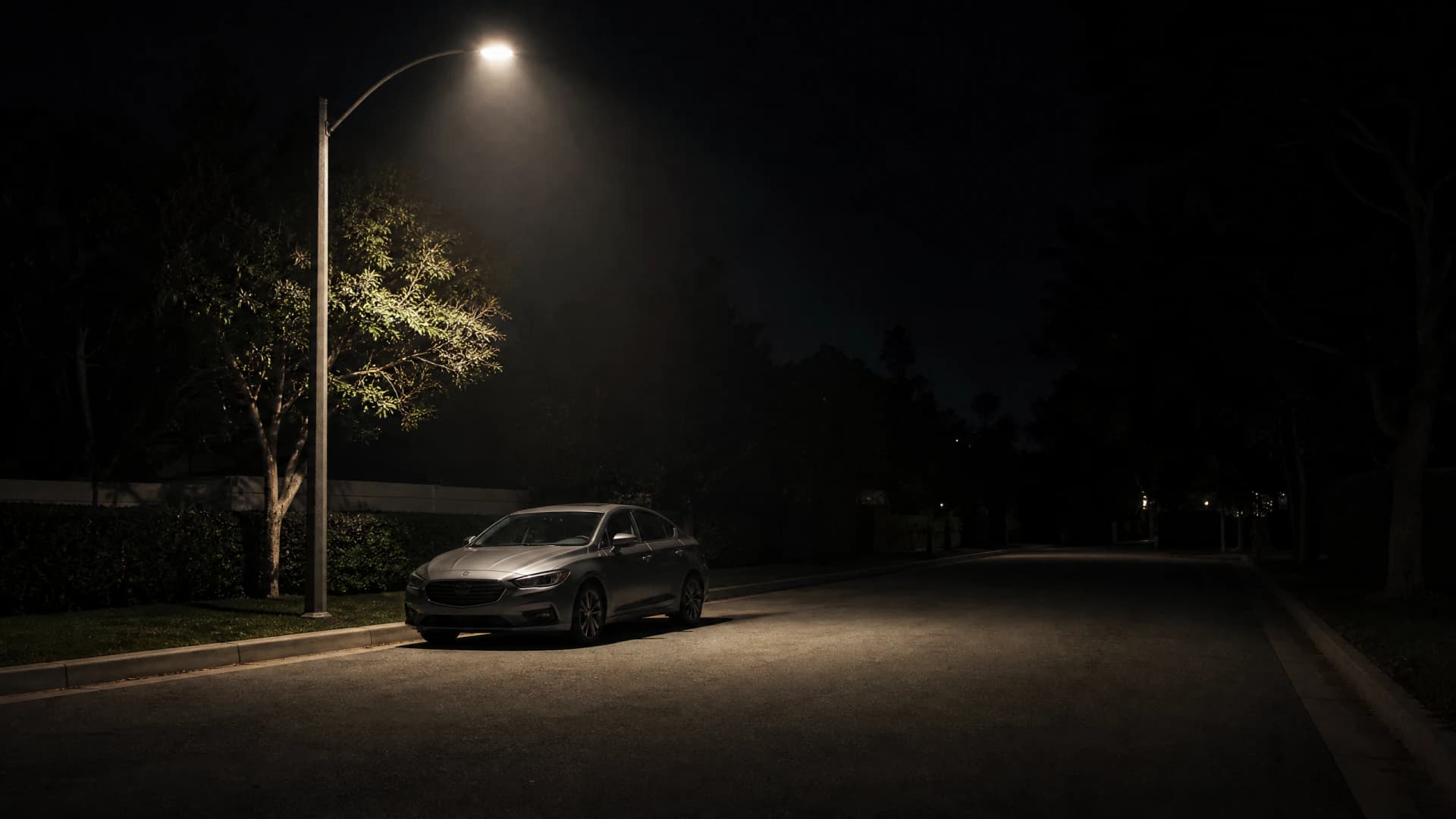
If your current carrier cancels at IID installation, the SR-22 lapses immediately and the OMV restricted license application is denied. You must secure IID-compatible coverage before scheduling installation.





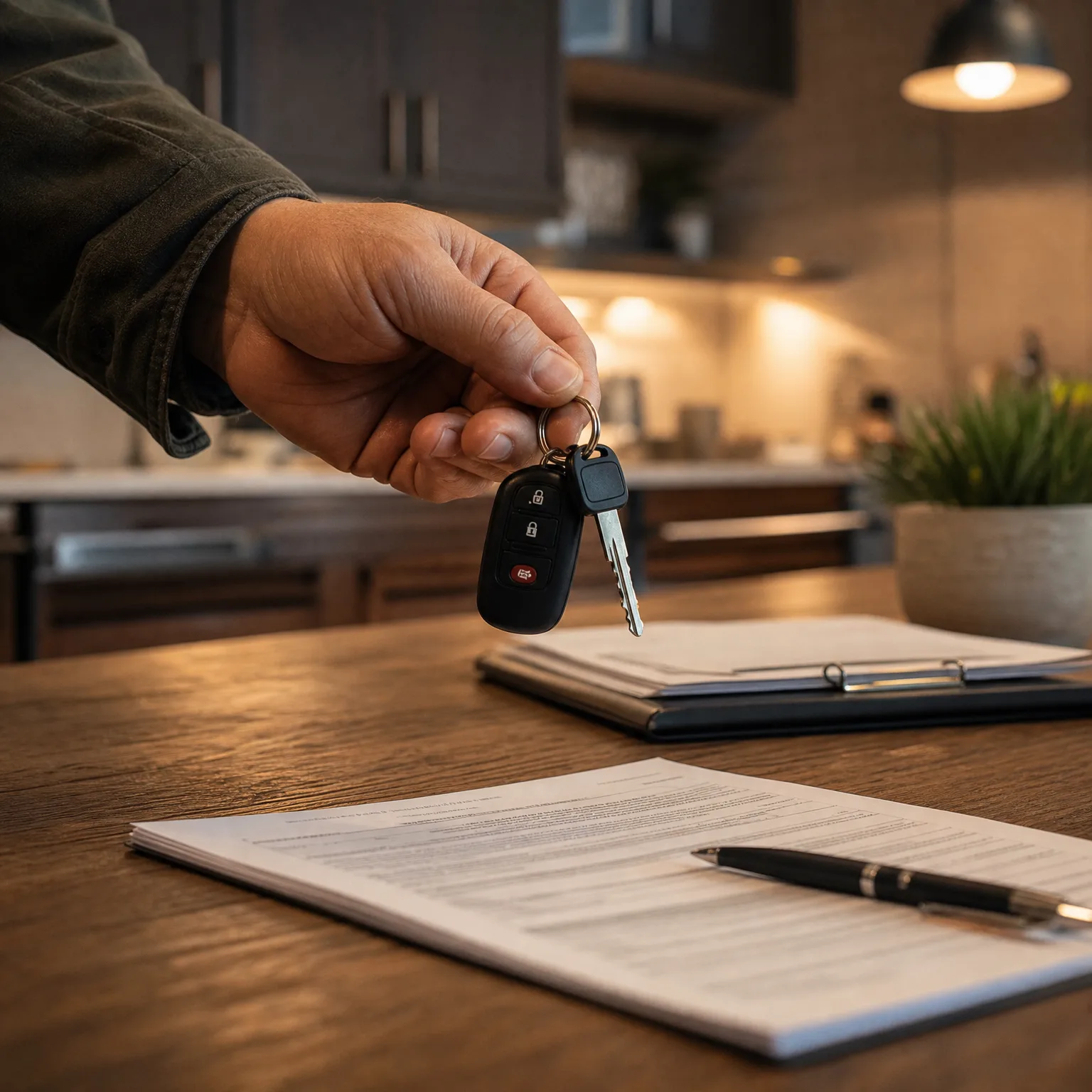

The Restricted License Application Sequence
Step one: obtain a policy from a carrier that writes IID-equipped vehicles and confirm they will file SR-22 with the OMV. Do not schedule IID installation until you have the policy declarations page in hand showing your effective date and liability limits. The policy must be active before the device goes in.
Step two: your insurer files SR-22 electronically with the OMV. This typically processes within 1–3 business days. You can verify the filing by calling the OMV customer service line at 225-925-6146 or checking your OMV driving record online. Do not proceed to installation until you confirm the SR-22 appears in the OMV system.
Step three: schedule IID installation with a Louisiana-approved vendor. The OMV maintains the approved vendor list at omv.dps.louisiana.gov under the Ignition Interlock section. Installation takes 1–2 hours and the vendor files enrollment confirmation with the OMV electronically the same day. You receive a compliance certificate showing your device serial number and installation date.
Step four: submit your restricted license application to the OMV. You will need proof of employment or hardship need, your IID enrollment certificate, confirmation that SR-22 is on file, payment of the $60 reinstatement fee, and completion of any court-ordered DUI education or substance abuse program. Processing typically takes 5–10 business days. The restricted license permits driving for employment, school, medical appointments, and other OMV-defined necessary purposes — it is not unrestricted.
Failure mode to avoid: if your insurance lapses at any point during the restricted license period, the SR-22 lapse triggers automatic suspension of the restricted license. You cannot drive at all until you reinstate the policy, refile SR-22, and pay an additional reinstatement fee. Maintain continuous coverage for the full 3-year SR-22 period even if you finish your IID requirement earlier — the SR-22 clock runs independently.
$60
Louisiana License Reinstatement Fee
The base reinstatement fee applies to restricted license applications following DUI suspension. Additional fees may apply if you have unpaid traffic fines or if your suspension involved multiple violations. The OMV fee schedule is published at omv.dps.louisiana.gov.
Louisiana OMV

What Restricted License Coverage Must Include
Louisiana restricted licenses require full liability coverage meeting state minimums at a minimum. You cannot satisfy the SR-22 requirement with a non-owner policy because the IID must be installed in a specific vehicle you are insured to drive. The policy must name you as the primary driver and list the IID-equipped vehicle on the declarations page.
If you own the vehicle outright, liability-only coverage is sufficient to meet the SR-22 and restricted license requirements. If you are still paying a loan or lease, your lender will require collision and comprehensive coverage regardless of your license status — the IID does not change your loan terms. Collision coverage for DUI-suspended drivers with IID typically adds $40–$70/month to the liability-only base premium.
Compare Louisiana IID-Compatible Carriers Now
You need coverage that accepts ignition interlock devices, files SR-22 with the OMV, and remains active through your full 3-year filing period. The carriers listed above write these policies in Louisiana, but monthly premiums vary by parish, age, and violation history. Get quotes from at least three non-standard carriers before choosing — the difference between the highest and lowest quote for identical coverage often exceeds $50/month, which compounds to $1,800 over three years. Compare quotes, confirm IID acceptance in writing, and schedule installation only after your SR-22 filing appears in the OMV system.
Carriers That Write IID-Equipped Policies in Louisiana
The General, Bristol West, Direct Auto, and National General all write policies for IID-equipped vehicles in Louisiana and file SR-22 as part of the standard underwriting process. These carriers expect DUI history and interlock devices — they do not treat the IID as a disqualifying factor. Monthly premiums for liability-only coverage with SR-22 filing typically run $110–$195 depending on your parish, age, and whether you have prior lapses on record. All four offer online quoting; Direct Auto operates physical storefront locations in Louisiana if you prefer in-person service.
Progressive and GEICO both file SR-22 in Louisiana and will consider IID cases, but approval is not automatic — underwriting reviews each application individually and may decline if your violation history includes multiple DUI convictions or a recent interlock violation. If approved, premiums run $95–$160/month for liability coverage. State Farm files SR-22 in Louisiana but does not consistently accept IID-equipped vehicles across all parishes; you will need to call a local agent for a manual underwriting decision rather than quoting online.
Get Your Free Quote
Get My Louisiana DUI Insurance QuoteFrequently Asked Questions
Can I get SR-22 insurance without owning a car if I need an ignition interlock device?
No. Louisiana restricted licenses following DUI require the ignition interlock device installed in a specific vehicle you are insured to drive as the primary operator. Non-owner SR-22 policies do not satisfy this requirement because there is no vehicle to install the IID in. You must have access to a vehicle — owned, leased, or registered to a household member — and carry a standard auto policy listing that vehicle before the IID vendor will schedule installation.
What happens if my insurance lapses while I have a restricted license in Louisiana?
The SR-22 lapse triggers automatic suspension of your restricted license the day the OMV receives the lapse notice from your insurer. You cannot drive at all until you obtain new coverage, refile SR-22, and pay an additional reinstatement fee. The restricted license period does not pause during the lapse — the suspension clock continues running and you lose those days of restricted driving eligibility.
Does Louisiana require SR-22 for the full time I have the ignition interlock device?
Louisiana requires SR-22 filing for 3 years after DUI conviction regardless of how long the IID requirement lasts. In many cases the IID period is shorter — typically 6–12 months for first-offense DUI — but you must maintain SR-22 coverage for the full 3 years even after the device is removed. The SR-22 period is set by statute and runs from the conviction date, not the installation date.
Will my premium go down after the ignition interlock device is removed?
Removing the IID does not automatically reduce your premium because the underlying DUI conviction remains on your record and your SR-22 filing requirement continues for the full 3-year period. However, some carriers offer modest rate reductions once the device is removed and you demonstrate 6–12 months of clean IID compliance history. You will see the most significant rate drop after your SR-22 period ends and the DUI conviction ages past the 3-year lookback window most carriers use for underwriting.
Can I drive someone else's car with a Louisiana restricted license?
Louisiana restricted licenses specify the vehicle equipped with your assigned ignition interlock device. You are only permitted to drive that vehicle, and only for the approved purposes listed on your restricted license — typically employment, school, medical appointments, and court-ordered obligations. Driving a different vehicle or driving outside approved purposes violates your restricted license terms and can result in immediate revocation and extension of your suspension period.