
Cheapest Way to Get Insured After a DWI — Louisiana
Free to compare
The First Week After Your Louisiana DWI Conviction
Your Louisiana DWI conviction triggered an automatic license suspension of 1 to 4 years depending on prior offenses, a mandatory 3-year SR-22 filing requirement with the Louisiana Office of Motor Vehicles (OMV), and immediate loss of driving privileges. You received a notice from OMV listing reinstatement conditions: payment of fees, proof of SR-22 insurance, completion of a substance abuse program approved by the Louisiana Highway Safety Commission, and potential ignition interlock device (IID) enrollment. Your current insurer either non-renewed your policy at the conviction date or sent a renewal notice showing a premium increase of 150% to 300%.
The structural confusion starts here. Louisiana allows restricted license eligibility after a 90-day hard suspension for first-offense DWI, but the restricted license requires ignition interlock enrollment before the OMV will issue the license. Most drivers assume they serve 90 days fully suspended, then apply for restricted privileges. That sequence wastes 90 days of potential legal driving. The ignition interlock enrollment happens during the hard suspension period so the device is installed and calibrated when day 91 arrives. You can begin the enrollment process immediately after conviction.
“The ignition interlock enrollment happens during the hard suspension period so the device is installed when day 91 arrives — most drivers wait and lose weeks of restricted driving time.”

See Who Insures Louisiana Drivers After a DUI
Get My Louisiana DUI Insurance Quote$60
Louisiana License Reinstatement Fee
This base fee applies to all suspension types in Louisiana and is paid to OMV at the time of reinstatement. DWI suspensions layer additional fees: substance abuse program enrollment (typically $300-$600), ignition interlock installation and monthly monitoring ($70-$120/month), and SR-22 filing fees charged by your insurer (usually $15-$50 annually).
La. R.S. 32:415.1
What SR-22 Filing Actually Costs You
SR-22 is not insurance. It is a certificate your insurer files electronically with the Louisiana OMV certifying that you carry at least the state minimum liability coverage: $15,000 bodily injury per person, $30,000 bodily injury per accident, and $25,000 property damage. The filing itself costs $15 to $50 annually depending on carrier. The expensive part is the premium increase carriers apply to DWI-convicted drivers.
Louisiana requires SR-22 for 3 years measured from the conviction date. If your SR-22 lapses at any point during that period because you cancel your policy, miss a payment, or switch carriers without ensuring the new carrier files an SR-22 before the old one cancels, OMV receives an SR-26 cancellation notice and immediately re-suspends your license. The re-suspension adds processing time, another $60 reinstatement fee, and extends your total suspension period. The cheapest path keeps one continuous SR-22 filing active for the full 3 years without interruption.
Not every carrier writes SR-22 in Louisiana. Preferred carriers like Amica and USAA generally exit the account at DWI conviction or decline to file SR-22 at renewal. Standard carriers like State Farm and Geico write SR-22 but apply significant surcharges. Non-standard carriers like The General, Direct Auto, Bristol West, and National General specialize in high-risk drivers and often deliver lower premiums post-DWI than standard carriers attempting to price the risk into their existing rate structure.
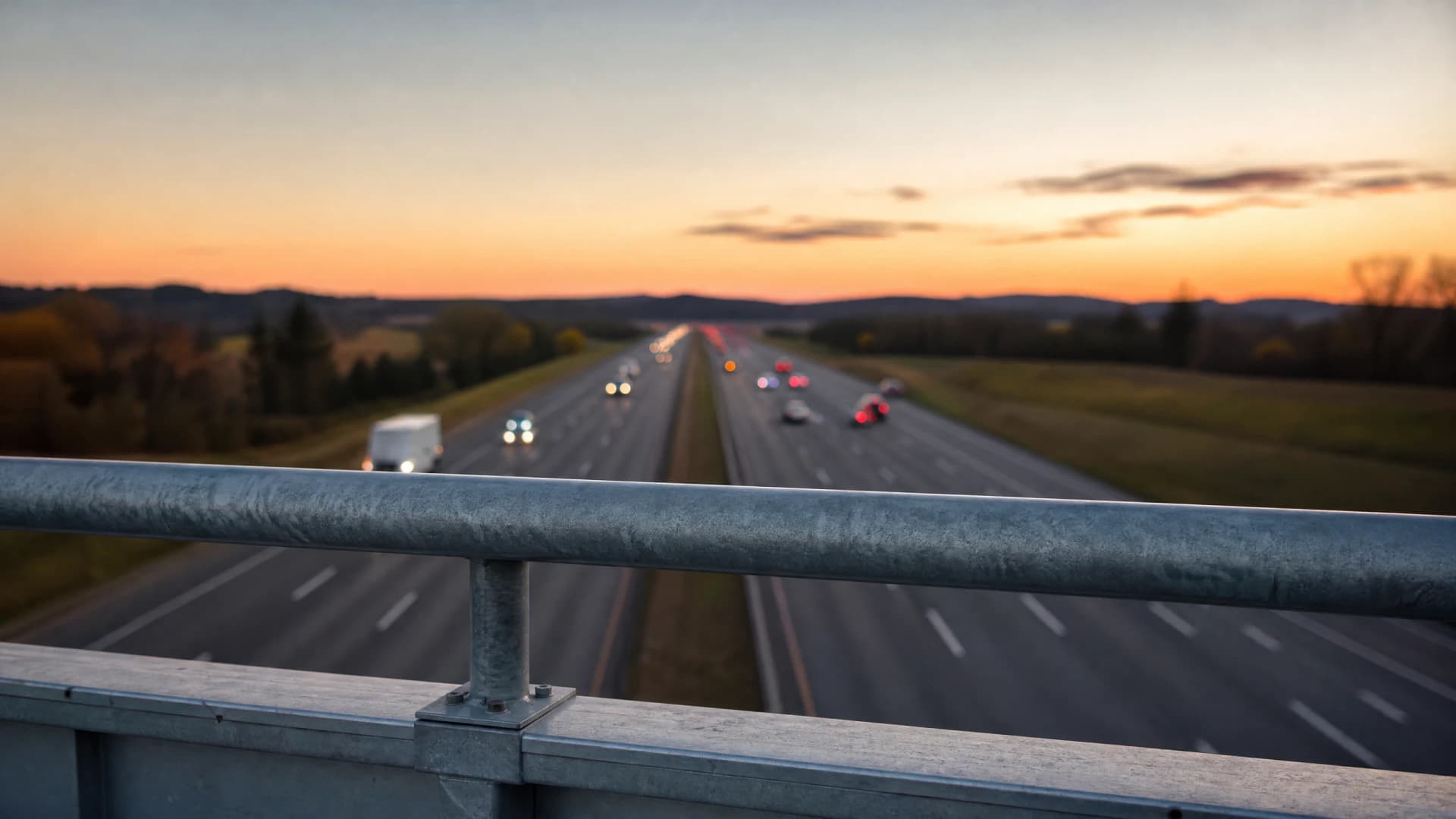
The blocker: Louisiana restricted license eligibility opens 90 days after conviction, but most drivers do not start ignition interlock enrollment until day 89 and lose weeks waiting for device installation and OMV processing.



Which Carriers Write the Lowest Post-DWI Premiums in Louisiana
Non-standard carriers consistently deliver lower premiums than standard carriers for DWI-convicted drivers in Louisiana. The General, Direct Auto, and Bristol West specialize in high-risk driver segments and build DWI risk into their base actuarial models rather than applying it as a surcharge to a clean-driver rate structure. Typical monthly premiums post-DWI in Louisiana range from $180 to $320 per month for minimum liability coverage with SR-22 filing, compared to $220 to $450 per month from standard carriers like State Farm, Geico, or Progressive applying DWI surcharges to their standard pricing.
State Farm writes SR-22 in Louisiana and offers the advantage of policy continuity if you were already a State Farm customer pre-conviction. Switching carriers post-DWI risks a coverage gap if the new carrier's underwriting takes longer than expected or declines the application after your prior carrier has already canceled. Staying with your current carrier when possible avoids that risk, even if the premium is $30 to $50 per month higher than a non-standard carrier quote.
Geico writes SR-22 and post-DWI coverage in Louisiana and allows online quote comparison, but approval is not guaranteed. Geico's underwriting declines applications with recent DWI convictions in certain parishes where loss ratios exceed internal thresholds. If Geico declines, move immediately to non-standard carriers rather than shopping additional standard carriers. Each declined application appears on your insurance history report (similar to a credit inquiry) and signals higher risk to subsequent carriers, which can raise quoted premiums or trigger additional declines.
The General and Direct Auto accept DWI-convicted drivers as core business and rarely decline Louisiana applications unless the driver has multiple DWI convictions within 5 years or an active suspended license with no restricted privileges. Both offer online quoting, but final approval and premium lock require a phone conversation with an agent who reviews OMV records and confirms SR-22 filing logistics. Do not assume the online quote is the final premium until the agent confirms underwriting approval and the SR-22 filing is active in OMV's system.
3 years
Louisiana SR-22 Filing Period Post-DWI
The 3-year clock starts the day of your DWI conviction, not the day you purchase SR-22 insurance or the day your license is reinstated. If you delay purchasing SR-22 coverage until 6 months post-conviction, you still owe 3 years of filing from the conviction date, meaning OMV will require proof of SR-22 for 2.5 years beyond your purchase date.
Louisiana DWI statute La. R.S. 14:98
The Restricted License Math
Louisiana's restricted license allows travel for employment, school, medical appointments, and other OMV-approved necessary purposes during your suspension period. It does not allow recreational driving, errands unrelated to the approved purposes, or travel outside the geographic bounds listed on the license. Violating the restriction terms triggers immediate revocation of the restricted license, reinstatement of the full suspension period, and potential additional criminal charges for driving on a suspended license.
The restricted license reduces the total number of months you pay post-DWI premiums while unable to drive freely. A first-offense DWI in Louisiana carries a 1-year suspension. Serving the full year suspended means paying 12 months of elevated premiums for coverage you cannot use. Obtaining a restricted license after the 90-day hard suspension means you drive legally (within restriction bounds) for 9 of those 12 months and pay premiums on a policy you can actually use, even if restricted. The psychological and financial value of legal restricted driving justifies the ignition interlock cost for most drivers.
Start the Restricted License Process Now
The next action: contact an ignition interlock provider approved by Louisiana OMV this week and schedule device installation. Do not wait until day 89 of your suspension. Enrollment, installation, calibration, and OMV processing take 10 to 21 days depending on provider availability and parish processing speed. Starting now compresses the window between hard suspension end and restricted license issuance, reducing the total months you pay premiums without legal driving privileges. Compare SR-22 carrier quotes from The General, Direct Auto, Bristol West, State Farm, and Geico today to lock the lowest available post-DWI rate before premium increases take effect industry-wide at your next policy cycle.
How to Minimize the Total Cost Window
Start ignition interlock enrollment within the first 30 days after conviction. The ignition interlock provider (approved vendors listed on OMV's website) schedules installation, performs the initial calibration, and registers your enrollment with OMV. This registration becomes part of your restricted license application file. When you submit your restricted license application on day 85 of the suspension, OMV already has the IID enrollment record on file and can process the application faster. Installation and first month monitoring cost approximately $150 to $200; monthly monitoring thereafter runs $70 to $120.
Purchase SR-22 insurance immediately after conviction even though you cannot drive. Carriers price DWI risk into the premium whether you have a license or not. Waiting until day 90 to shop does not reduce the premium; it only delays the start of your 3-year SR-22 filing period and leaves you uninsured if OMV grants your restricted license faster than expected. A restricted license is valid the day OMV issues it — if you do not have active SR-22 coverage the day the license prints, you cannot legally use it and the restricted period clock still runs.
Get Your Free Quote
Get My Louisiana DUI Insurance QuoteFrequently Asked Questions
Do I need insurance while my license is suspended in Louisiana after a DWI?
Yes. Louisiana requires continuous SR-22 proof of insurance for 3 years starting from your DWI conviction date, even during periods when your license is fully suspended. If your SR-22 filing lapses, OMV re-suspends your license and you must pay another $60 reinstatement fee and restart the SR-22 filing clock.
How much does SR-22 insurance cost in Louisiana after a DWI?
Typical premiums range from $180 to $320 per month for minimum liability coverage with SR-22 filing from non-standard carriers like The General or Direct Auto. Standard carriers like State Farm and Geico charge $220 to $450 per month for the same coverage. The SR-22 filing fee itself is $15 to $50 annually.
Can I get a restricted license immediately after a DWI conviction in Louisiana?
No. Louisiana requires a 90-day hard suspension before restricted license eligibility opens for first-offense DWI. You can start the ignition interlock enrollment process during the hard suspension so the device is installed and registered with OMV by day 90, allowing faster restricted license issuance.
What happens if I drive on a Louisiana restricted license outside the approved purposes?
OMV immediately revokes the restricted license, reinstates the full original suspension period, and you face additional criminal charges for driving on a suspended license. Restricted license terms are enforced strictly and violations appear on your OMV driving record permanently.
Which insurance companies write SR-22 policies in Louisiana after DWI?
The General, Direct Auto, Bristol West, National General, State Farm, Geico, and Progressive all write SR-22 in Louisiana and accept DWI-convicted drivers. Non-standard carriers (The General, Direct Auto, Bristol West) typically offer lower premiums than standard carriers for high-risk drivers.
How long does Louisiana require SR-22 filing after a DWI?
3 years from the conviction date. The clock starts the day you are convicted, not the day you purchase insurance or reinstate your license. Maintaining continuous SR-22 coverage for the full 3 years without lapses is required to avoid re-suspension.
Does Louisiana require ignition interlock for a restricted license after DWI?
Yes. Louisiana law mandates ignition interlock device enrollment as a condition of restricted license issuance following DWI suspension. The device must be installed by an OMV-approved provider and monitored monthly for the duration of the restricted license period.