
SR-22 After DWI — Louisiana
Free to compare
The Timeline You're Actually Working Against
You've been convicted of DWI in Louisiana, and you know you need SR-22 insurance to get your license back. What most drivers don't realize is that the three-year SR-22 filing period started the day the court issued your conviction — not the day you file with the Office of Motor Vehicles, not the day you buy the policy, and not the day your suspension ends. If your conviction was six months ago and you're just now filing SR-22, you still owe the full three years from that conviction date.
This article walks the Louisiana-specific timeline for SR-22 after DWI: when the clock actually starts, why the 90-day hard suspension delays restricted license eligibility, what documentation the OMV requires before they'll lift the suspension, and how ignition interlock device requirements layer on top of the SR-22 mandate. Louisiana's structure is dual-track — OMV issues the administrative suspension under implied consent law, and the court issues the criminal sentence — and both tracks impose overlapping requirements you must satisfy before you can legally drive again.
“Louisiana's three-year SR-22 clock starts at conviction, not filing — delayed compliance shortens your legal driving window but doesn't reduce the total obligation.”

See Who Insures Louisiana Drivers After a DUI
Get My Louisiana DUI Insurance Quote3 years
Louisiana SR-22 Period
Louisiana Revised Statutes 32:415.1 and related DUI statutes require SR-22 financial responsibility filing for three years following DWI conviction. The period is measured from the conviction date, not the filing date or the end of suspension.
La. R.S. 32:415.1, 14:98, 32:667-668
Why the Conviction Date Is the Start Line
Louisiana law ties the SR-22 period to your conviction date because the filing is a criminal penalty, not an administrative formality. Once the court convicts you of DWI under La. R.S. 14:98, the three-year clock begins immediately. If you delay buying the policy or filing with the OMV, you don't extend the period — you simply remain suspended while the clock runs.
This structure matters because most drivers assume filing SR-22 resets the timeline. It doesn't. If you were convicted January 1, 2023, and you file SR-22 on July 1, 2023, your obligation still expires January 1, 2026. The OMV doesn't care when you started complying — they care when the conviction happened. Delayed compliance shortens the time you'll have legal driving privileges during the SR-22 period, but it doesn't reduce the total obligation.
The three-year period applies to first-offense DWI. Second and subsequent offenses extend the SR-22 requirement, typically to five years or longer depending on how many prior convictions appear on your record. The OMV reviews your driving history when you apply for reinstatement and calculates the period based on the specific offense class the court assigned.

You cannot file SR-22 before conviction. Louisiana requires a court disposition before the OMV will accept financial responsibility proof.


What the OMV Requires Before Restricted License Approval
Louisiana's restricted license after DWI is not a hardship license in the traditional sense — it's a statutory program under La. R.S. 32:415.1 that permits limited driving for employment, school, medical appointments, and court-mandated activities. To qualify, you must provide the OMV with four specific items: SR-22 proof of financial responsibility filed directly by your insurer, proof of ignition interlock device installation from an approved vendor, a certificate of completion from a Louisiana-approved DWI education program, and payment of the $60 base reinstatement fee plus any additional fees tied to your specific conviction.
The SR-22 filing must come directly from the insurance carrier. The OMV does not accept copies of your insurance card or policy declarations page — they require electronic filing through the Louisiana Insurance Verification System, or paper filing on the OMV's SR-22 form submitted by the insurer. Most carriers process electronic SR-22 filings within 1-3 business days. Paper filings take 5-10 business days to reach the OMV and process.
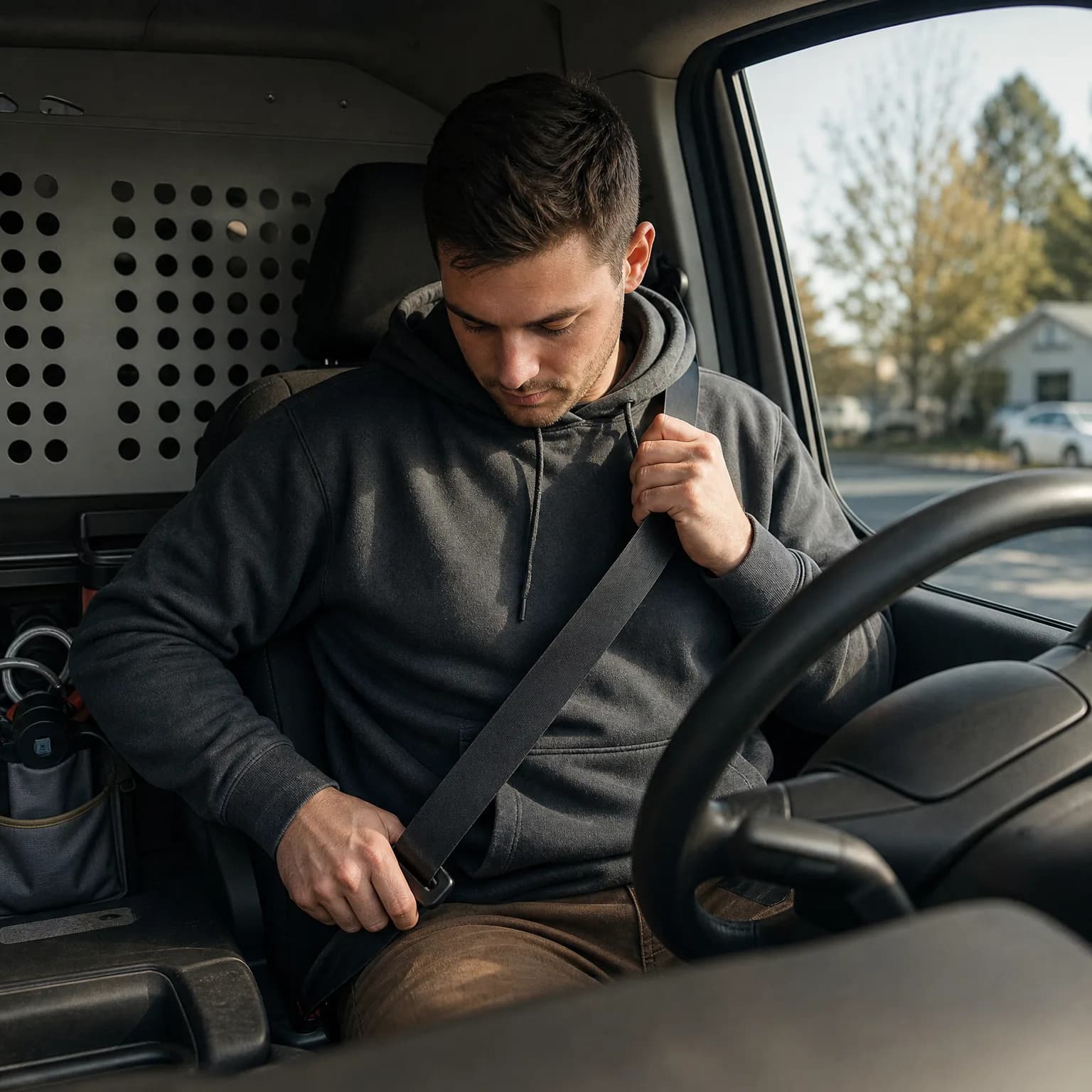
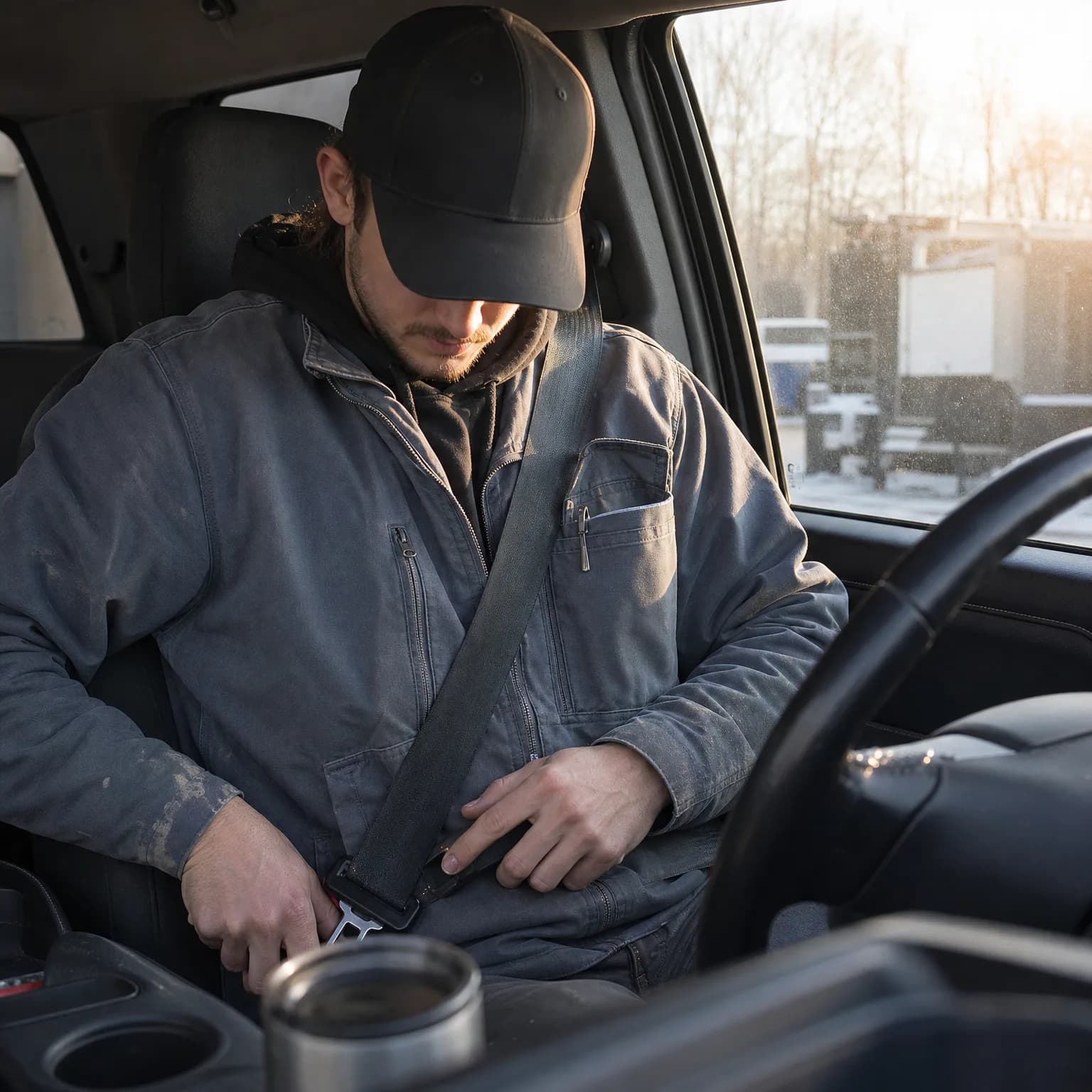
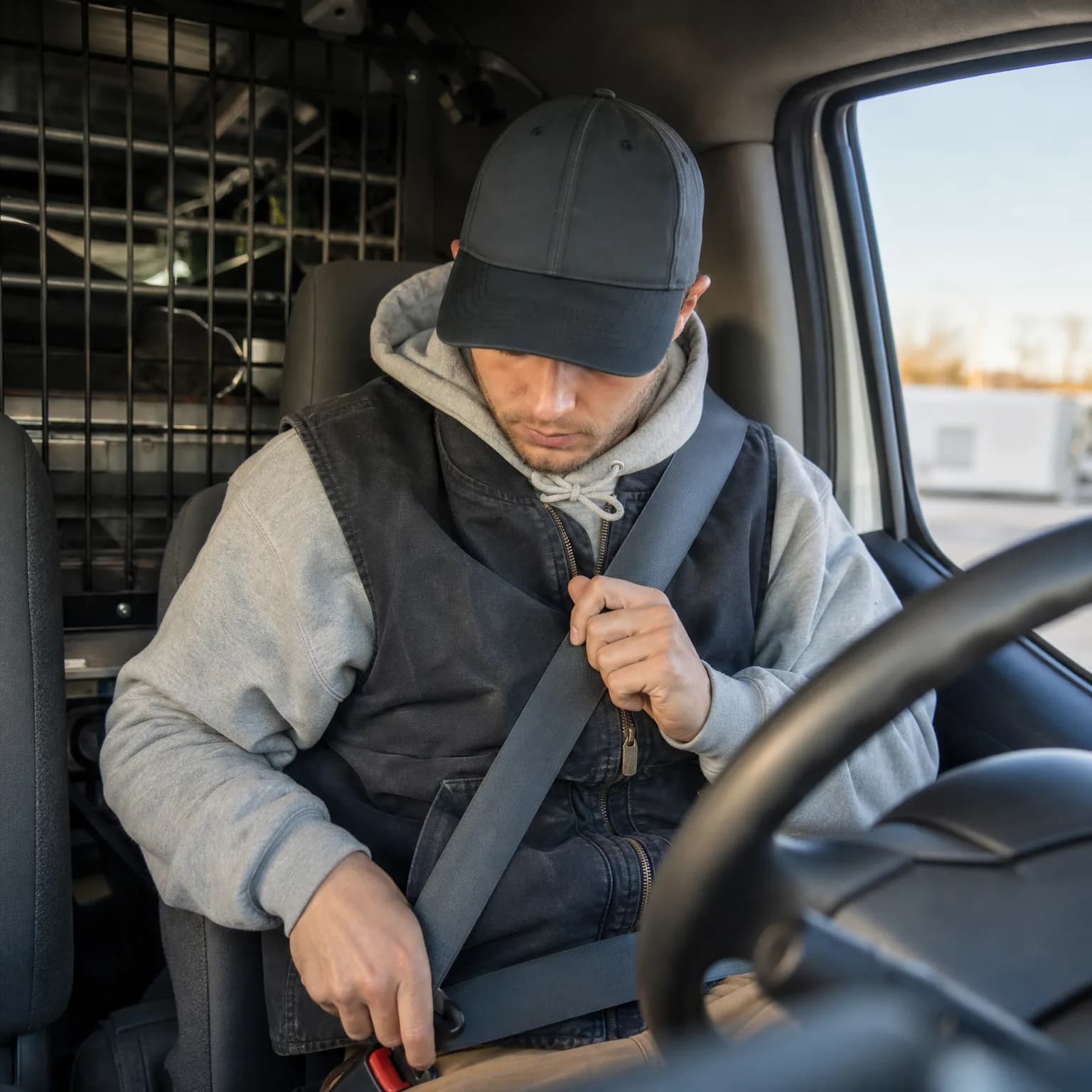
Ignition interlock device installation is mandatory for any restricted license issued after DWI. Louisiana contracts with approved IID vendors statewide; the OMV provides a list on their website. You must pay for installation, monthly monitoring fees, and removal when your restriction period ends. Typical costs run $75-$125 for installation and $60-$90 per month for monitoring. The device must remain installed for the full duration of your restricted license period, and any violations — failed breath tests, attempts to bypass the device, missed calibration appointments — trigger automatic license revocation.
DWI education programs are offered through parish-based providers approved by the Louisiana Highway Safety Commission. The course typically runs 12-20 hours over multiple sessions and costs $150-$300 depending on the provider. You must complete the full program and receive a certificate before the OMV will accept your restricted license application. If you miss sessions or fail to complete the program, you restart from the beginning.
$60
Louisiana Base Reinstatement Fee
The OMV charges a $60 base reinstatement fee under La. R.S. 32:415.1, but total out-of-pocket cost is typically higher due to layered fees for specific suspension types. DWI suspensions often carry additional court-ordered fines and administrative fees that must be paid before reinstatement is approved.
La. R.S. 32:415.1

How SR-22 Interacts With the Ignition Interlock Requirement
Louisiana layers SR-22 and ignition interlock as separate conditions — satisfying one does not satisfy the other. SR-22 proves you carry liability insurance meeting the state's minimum financial responsibility limits: $15,000 per person for bodily injury, $30,000 per accident for bodily injury, and $25,000 for property damage. The ignition interlock device proves you cannot operate the vehicle with alcohol in your system. Both conditions run concurrently during your restricted license period, and both must remain active for the full duration the OMV specifies.
If your SR-22 lapses because you cancel your policy, switch carriers without maintaining continuous coverage, or miss a premium payment, the OMV receives electronic notice within 24-48 hours and immediately suspends your license. Louisiana does not provide a grace period for SR-22 lapses tied to DWI convictions. Your restricted license is revoked the day the lapse is reported, and you must refile SR-22, pay a new reinstatement fee, and restart the restricted license application process to restore driving privileges.
What Happens When the Three-Year Period Ends
When your three-year SR-22 period expires, the filing requirement ends automatically — but your obligation to maintain continuous insurance does not. Louisiana does not notify you when the SR-22 period closes. Your insurer files a cancellation notice with the OMV, and the SR-22 drops from your record. At that point, you can switch to a standard policy without SR-22 endorsement, often at a lower premium. Most carriers writing SR-22 in Louisiana do not automatically convert your policy to standard when the period ends — you must request the change or shop for a new policy without the SR-22 requirement.
Your ignition interlock requirement runs separately from SR-22 and may extend beyond the three-year filing period depending on your conviction class and court order. The OMV will notify you when ignition interlock removal is approved, typically by mail or through your OMV online account. Once approved, you schedule removal with your IID vendor and receive documentation to submit to the OMV confirming the device has been uninstalled. Only after both SR-22 and IID obligations have ended, and all fees are paid, does your license return to unrestricted status.
The 90-Day Hard Suspension Window
The hard suspension starts the day the OMV receives notice of your conviction from the court, which typically happens within 10 business days of sentencing. During this 90-day period, you are legally prohibited from operating any motor vehicle in Louisiana. Filing SR-22 during the hard suspension does not shorten it. The OMV will accept your SR-22 filing, but they will not issue a restricted license until the 90 days have elapsed.
Once the 90-day window closes, you become eligible to apply for a restricted license — but eligibility does not mean automatic approval. You must submit proof of SR-22, proof of enrollment in an ignition interlock device program, completion of a DWI education program, and payment of applicable reinstatement fees. If any of these conditions are not met, the OMV denies the application and your full suspension continues until you satisfy all requirements.
Get Your Free Quote
Get My Louisiana DUI Insurance QuoteFrequently Asked Questions
Can I file SR-22 in Louisiana before my DWI conviction?
No. Louisiana requires a court disposition before the OMV will accept SR-22 filing. The three-year period starts at conviction, so early filing is not permitted and would not shorten your obligation.
Does the 90-day hard suspension count toward my three-year SR-22 period?
Yes. The three-year SR-22 period runs from your conviction date, which includes the 90-day hard suspension when no driving is permitted. Filing SR-22 during the hard suspension satisfies the proof of financial responsibility requirement but does not end the suspension early.
What happens if I move out of Louisiana during my SR-22 period?
Your SR-22 obligation follows you. Most states honor Louisiana's three-year requirement, but some states impose their own periods. You must notify your insurer of your new address and confirm they can file SR-22 in your new state. Louisiana's OMV will not release your driving record until the full three-year period has elapsed.
Can I get a restricted license in Louisiana without installing an ignition interlock device?
No. Louisiana law mandates ignition interlock installation for any restricted license issued after DWI conviction. The device must remain installed for the full restricted license period, and violations trigger automatic revocation.
How much does SR-22 insurance cost in Louisiana after a DWI?
Approximately $120-$210 per month for liability coverage with SR-22 endorsement, based on carrier rate filings and driver profile. Costs vary by age, parish, prior violations, and coverage limits. Non-owner SR-22 policies for drivers without a vehicle typically cost $40-$80 per month.
Will my SR-22 rate drop after the first year?
Typically, yes. Most carriers reduce premiums annually if you maintain continuous coverage, avoid new violations, and complete your restricted license period without IID violations. Expect modest rate decreases of 10-15% per year as the conviction ages.