
Second DWI Insurance Rate Impact — Louisiana
Free to compare
The Rate Shock Arrives Before Sentencing
Your second DWI arrest happened three weeks ago. Court date isn't for another 60 days. Your insurer just sent notice of non-renewal effective in 30 days, or a renewal quote at $320/month when you were paying $140. The conviction hasn't posted yet. Most drivers assume rate changes wait for sentencing — they don't. Louisiana insurers pull driving records continuously, and arrests appear within 7-14 days of booking. The moment your current carrier's underwriting system flags a second alcohol-related arrest, re-evaluation starts.
The rate spike you're seeing now reflects the arrest and the impending SR-22 requirement Louisiana will impose post-conviction. Under Louisiana R.S. 32:667 and 14:98, a second DWI triggers mandatory SR-22 filing for three years, measured from conviction date. Carriers price that three-year SR-22 obligation into your premium immediately upon arrest detection, even while your case is still open. This creates the structural confusion: you haven't been convicted, but your rate already reflects the conviction's consequences.
“Louisiana carriers price the three-year SR-22 obligation into your premium at arrest, not conviction — you pay elevated rates during the entire case.”

See Who Insures Louisiana Drivers After a DUI
Get My Louisiana DUI Insurance Quote90–180%
Second DWI Rate Increase Range
Louisiana carriers typically raise premiums 90-180% after a second DWI arrest appears on record, with the higher end applying to drivers whose first offense occurred within the past five years. The increase applies at renewal following arrest detection, not conviction.
Industry underwriting tier reclassification data, Louisiana non-standard auto market
How Louisiana Prices Second DWI Risk
Louisiana insurers classify DWI offenses by recency and count. A second offense within five years of the first moves you into the high-risk tier immediately. A second offense six or more years after the first still triggers SR-22 and elevated rates, but the increase is smaller — typically 90-120% rather than 140-180%. The five-year window is counted from conviction date to arrest date, not conviction to conviction.
Your current carrier will either non-renew you outright or move you to their non-standard subsidiary if they have one. Standard-tier carriers like State Farm, Allstate, and Travelers typically non-renew after a second DWI rather than re-price. Non-standard carriers like The General, Bristol West, Direct Auto, and National General actively write second-offense policies and are your primary market post-arrest.
Premium calculation after second DWI reflects three cost layers: base liability rate for your vehicle and ZIP code, SR-22 filing administrative fee (typically $15-25/year added to premium), and the underwriting surcharge for alcohol-related risk (the 90-180% increase). Some carriers bundle the SR-22 fee into the total premium quote; others itemize it separately. The SR-22 filing itself doesn't cost much — the surcharge for being an SR-22-required driver is what drives the rate up.
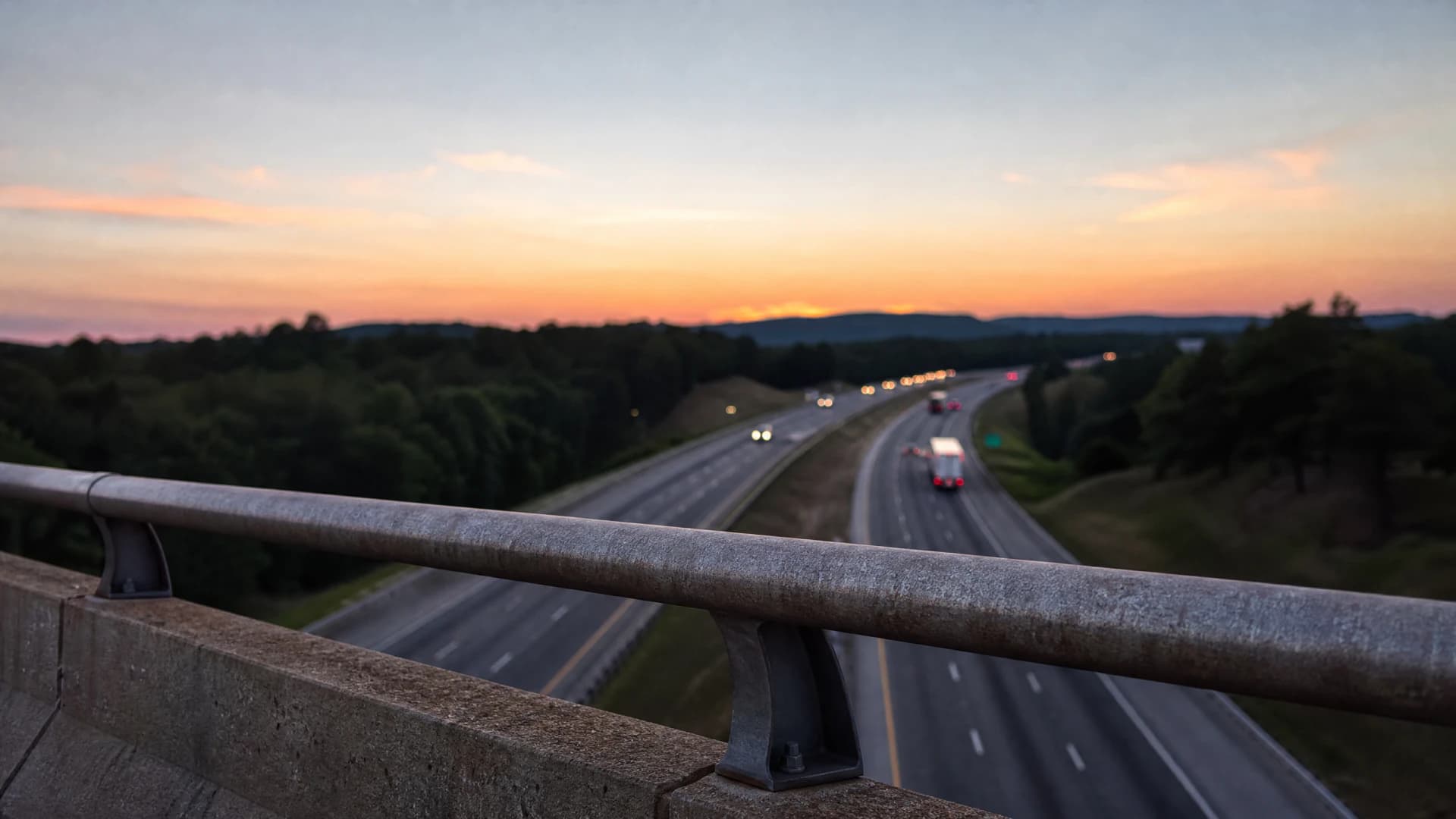
Louisiana's three-year SR-22 period starts at conviction, but your premium increase starts at arrest detection — you pay elevated rates during the entire pre-conviction window with no credit back if charges are reduced.


Timing the Market and Carrier Switches
You will shop multiple carriers. One quote is not sufficient after second DWI. Rate variation between non-standard carriers writing Louisiana SR-22 business runs 30-60% for identical coverage and driver profile. The General, Progressive, Bristol West, Direct Auto, Geico, and National General all write second-offense policies in Louisiana, but their underwriting models weight recency, age, and vehicle differently. Get quotes from at least four.
Do not wait for conviction to shop. Arrest is enough to move you into the non-standard market, and waiting until post-conviction wastes the time window where your current carrier might still renew you at elevated rate rather than non-renew outright. If your current carrier non-renews, your new policy must be in force before the non-renewal effective date or you create a lapse. Lapse on top of second DWI doubles the problem — Louisiana OMV will suspend registration for uninsured operation even if your license is already suspended for DWI.
Binding a new policy before conviction does not restart the SR-22 clock. The SR-22 filing requirement is triggered by conviction, not by policy effective date. You can bind coverage now, then file SR-22 after sentencing. Some drivers delay switching carriers until post-conviction hoping rates will drop — they won't. The conviction makes the situation worse, not better. Locking in a quote pre-conviction protects you from further rate increases if additional violations surface during the case.
If you do not currently own a vehicle, non-owner SR-22 is your path. Non-owner policies provide liability coverage when you drive a vehicle you don't own and satisfy Louisiana's SR-22 filing requirement for reinstatement without requiring vehicle ownership. Geico, Progressive, The General, and USAA all write non-owner SR-22 in Louisiana. Non-owner premiums after second DWI typically run $60-110/month, lower than owner policies because they exclude collision and comprehensive. Non-owner SR-22 fulfills the legal requirement; it does not allow you to register a vehicle.
$180–$420/mo
Louisiana Second DWI Premium Range
Full-coverage premiums for drivers with second DWI in Louisiana typically fall between $180 and $420 per month depending on parish, vehicle, time between offenses, and carrier. Liability-only policies run $85-$190/month. Non-owner SR-22 policies run $60-$110/month.
Estimates based on Louisiana non-standard auto market rate filings; individual rates vary
The Three-Year SR-22 Window and What Happens After
Louisiana requires SR-22 filing for three years following second DWI conviction, per Louisiana R.S. 32:661 and related DUI statutes. The three-year period starts on your conviction date, not your arrest date, not your reinstatement date. If you are convicted January 15, 2025, your SR-22 obligation runs through January 15, 2028. Your insurer files the SR-22 certificate electronically with Louisiana OMV on your behalf once the court orders it and you provide proof of the order.
Letting SR-22 lapse during the three-year period triggers immediate license suspension. If you cancel your policy, switch carriers without ensuring the new carrier files SR-22 before the old policy ends, or let coverage lapse for non-payment, your insurer notifies OMV within 24 hours and OMV suspends your license administratively. Reinstatement after SR-22 lapse requires filing a new SR-22, paying a $60 reinstatement fee, and potentially serving additional suspension time depending on how long the lapse lasted. Keep continuous coverage for the full three years.
After three years, your SR-22 obligation ends and your rate will drop. The drop is not automatic — you must shop. Your current non-standard carrier will lower your rate moderately when SR-22 falls off, but they will not move you back to standard-tier pricing. Standard carriers will start writing you again three years post-conviction if you have maintained continuous coverage and added no new violations. Expect rates to drop 40-60% when you move from non-standard SR-22 required back to standard-tier post-SR-22. The conviction itself stays on your Louisiana driving record for ten years, but its pricing impact diminishes significantly after year five.
Get Multiple Quotes and Lock Coverage Now
Your current policy ends in 30 days or your renewal quote is unaffordable. Start shopping today. Every day you wait narrows your options and increases the chance of a coverage gap. Enter your ZIP code, vehicle, and offense dates into the comparison tool. Request quotes from The General, Bristol West, Direct Auto, Progressive, Geico, and National General. Each underwrites second DWI differently. You will see 30-60% variation for identical coverage.
Bind the lowest compliant quote before your current policy lapses. Continuous coverage is non-negotiable in Louisiana — a lapse triggers OMV registration suspension on top of your DWI suspension and adds reinstatement fees and processing delays you do not need. Once your new policy is in force, you have coverage. After conviction, provide the court order to your new insurer and they will file SR-22 with OMV electronically. The system moves faster than you expect once the pieces are in place, but only if you act before the deadline.
What Drives Your Quote After Arrest
Time between offenses is the largest single factor. A second DWI two years after the first signals pattern behavior to underwriters and pushes you toward the 160-180% increase tier. A second offense eight years later shows isolated recurrence and typically holds you closer to 90-110%. Clean record between the two offenses moderates the increase slightly — no additional tickets or at-fault accidents between DWI dates signals lower ongoing risk. Suspended license status also affects pricing: drivers actively suspended pay higher rates than those who completed administrative suspension and reinstated before conviction, because suspension indicates non-compliance risk.
Vehicle type affects the base rate, which the surcharge multiplies against. Insuring a newer high-value vehicle after second DWI produces a larger absolute dollar increase than insuring an older liability-only vehicle, even though the percentage surcharge is identical. Your age and gender also layer in: male drivers under 30 with second DWI face the highest increases because they combine two high-risk categories. Drivers over 40 with second DWI see smaller absolute increases, though the percentage surcharge remains similar. Parish location matters for base rate: Orleans Parish and East Baton Rouge Parish base rates run 15-25% higher than rural parishes, so the post-DWI rate in those metros compounds on an already elevated floor.
Get Your Free Quote
Get My Louisiana DUI Insurance QuoteFrequently Asked Questions
Does a second DWI in Louisiana require SR-22 filing?
Yes. Louisiana requires SR-22 filing for three years following a second DWI conviction under R.S. 32:661 and related DUI statutes. The SR-22 filing period starts on your conviction date and runs for three full years. Your insurer files the SR-22 certificate electronically with Louisiana OMV after sentencing.
How much does insurance go up after a second DWI in Louisiana?
Premiums typically increase 90-180% after a second DWI arrest appears on your record. The increase applies at your next renewal following arrest detection, even before conviction. Full-coverage policies after second DWI in Louisiana typically cost $180-$420/month; liability-only runs $85-$190/month.
Can I get insurance in Louisiana with two DWI convictions?
Yes. Non-standard carriers including The General, Bristol West, Direct Auto, Progressive, Geico, and National General actively write policies for Louisiana drivers with two DWI convictions. You will not qualify for standard-tier carriers like State Farm or Allstate, but multiple non-standard options exist.
When does the rate increase happen after a second DWI arrest?
The rate increase happens at your policy renewal following the arrest appearing on your driving record, typically 7-14 days after booking. You do not wait for conviction. Insurers re-evaluate risk as soon as the arrest posts, and premium adjustments or non-renewal notices follow at the next renewal date.
How long does SR-22 stay on my record in Louisiana after second DWI?
SR-22 filing is required for three years from your conviction date for second DWI in Louisiana. After three years, the SR-22 obligation ends. The DWI conviction itself remains on your Louisiana driving record for ten years, but its pricing impact diminishes after year five if you maintain a clean record.
What happens if I let my SR-22 lapse in Louisiana?
Louisiana OMV suspends your license immediately if your SR-22 lapses during the required three-year period. Your insurer notifies OMV within 24 hours of policy cancellation or lapse. Reinstatement requires filing a new SR-22, paying a $60 reinstatement fee, and potentially serving additional suspension time depending on lapse duration.
Do I need a car to get SR-22 insurance in Louisiana after second DWI?
No. Non-owner SR-22 policies provide liability coverage and satisfy Louisiana's SR-22 filing requirement without requiring vehicle ownership. Geico, Progressive, The General, and USAA write non-owner SR-22 in Louisiana. Premiums typically run $60-$110/month after second DWI, lower than owner policies.