
Non-Owner DWI Insurance Cost — Louisiana
Free to compare
Why Non-Owner Coverage When Your License Is Suspended
You sold your car after the DWI suspension, or you never owned one to begin with. The Louisiana Office of Motor Vehicles told you that SR-22 proof of financial responsibility is required before they will issue a restricted license that lets you drive to work. Every carrier you've called is asking for your vehicle's VIN—information you don't have because you don't own a car.
Louisiana's restricted license program requires SR-22 filing as a precondition to approval for DWI-related suspensions. SR-22 is not a policy—it's a state notification form your insurer files electronically with the OMV certifying you carry at least the state minimum liability coverage. Non-owner SR-22 policies exist specifically for this scenario: they provide the liability coverage that triggers the SR-22 filing without requiring you to own or regularly drive a specific vehicle.
“The OMV will not accept an SR-22 certificate from a terminated or lapsed policy—continuous coverage is the only path to restricted license eligibility.”

See Who Insures Louisiana Drivers After a DUI
Get My Louisiana DUI Insurance Quote$95–$155/mo
Louisiana Non-Owner SR-22 Premium
Non-owner policies typically cost 15–30% less than standard policies for clean-record drivers, but DWI suspensions compress this gap. Carriers view DWI as the dominant risk factor, making vehicle ownership secondary in pricing.
Carrier rate filings and Louisiana OMV SR-22 program rules
The Pricing Reality After a DWI Suspension
Non-owner coverage costs less than standard auto insurance for drivers with clean records because the policy excludes collision and comprehensive coverage and limits exposure to liability-only scenarios when you're borrowing or renting vehicles. The monthly premium difference between a non-owner policy and a standard policy might be $40–$60 for a clean-record driver.
That gap narrows significantly after a DWI. Louisiana carriers writing non-standard and SR-22 business—Progressive, Geico, The General, Bristol West, Direct Auto, and National General—price DWI suspensions as high-risk regardless of whether you own a vehicle. The non-owner discount still applies, but the DWI surcharge dominates. A standard policy with SR-22 after DWI might cost $125–$180/month; the non-owner equivalent runs $95–$155/month. You're saving $20–$40 monthly, not the $50+ a clean-record driver would save.
The structural advantage of non-owner coverage in your position is not primarily cost—it's eligibility. Many carriers willing to write SR-22 after DWI will not insure a driver who does not own a vehicle under a standard policy. Non-owner policies solve the underwriting mismatch: you need SR-22 filing to satisfy OMV reinstatement conditions, but you have no vehicle to insure under a traditional auto policy.
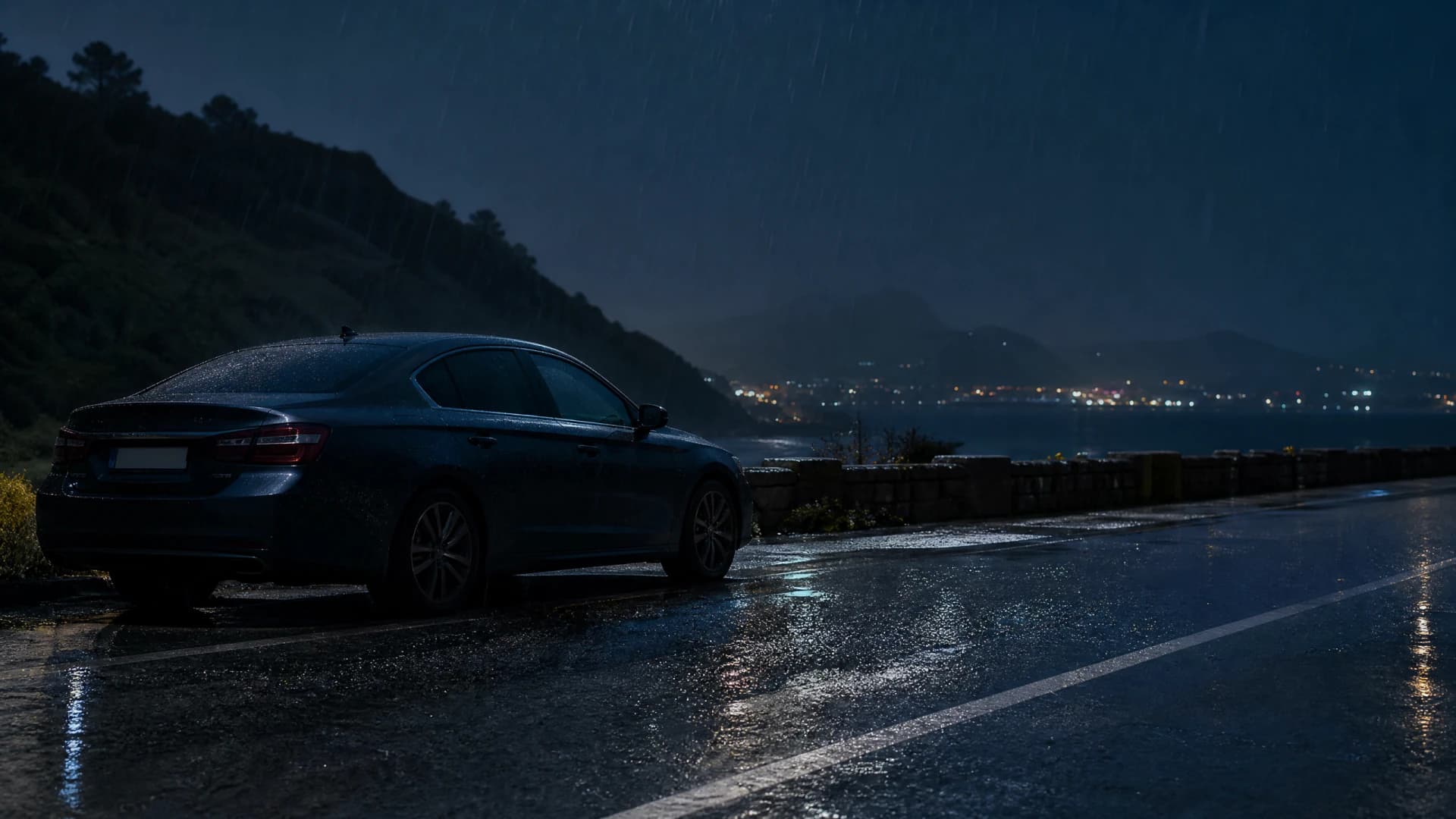
You cannot satisfy Louisiana's SR-22 requirement without an active insurance policy. The OMV will not accept a certificate of financial responsibility from a terminated or lapsed policy.




Carrier Options and Monthly Premium Ranges
Progressive, Geico, The General, and USAA write non-owner SR-22 policies in Louisiana and quote online. Bristol West, Direct Auto, and National General write SR-22 after DUI and accept non-owner applications through brokers or by phone. State Farm writes SR-22 but does not advertise non-owner policies prominently—call a local agent to confirm availability.
Monthly premiums cluster in three bands. The General and Direct Auto typically quote $95–$125/month for non-owner SR-22 after DWI, positioned as high-risk specialists. Progressive and Geico quote $110–$145/month, reflecting standard-tier pricing with DWI surcharges applied. USAA, available only to military members and families, quotes $100–$130/month. Actual quotes vary by age, parish, violation date, and whether you completed DWI education classes before applying.
All non-owner policies require continuous monthly payment. Missing a payment triggers a lapse notice to the OMV, which suspends your restricted license administratively until you reinstate the policy and pay a reinstatement fee. Automatic payment from a checking account eliminates this risk.
10 days
OMV SR-22 Lapse Notification Window
Louisiana insurers must notify the OMV within 10 days of policy cancellation or lapse. The OMV suspends your restricted license immediately upon receiving the lapse notice. Reinstatement requires paying the $60 OMV reinstatement fee plus any insurer reinstatement fees.
Louisiana R.S. 32:861 and OMV SR-22 program rules

Applying for Non-Owner SR-22 Coverage
Request a non-owner policy explicitly when quoting. Carrier websites and phone representatives default to standard auto insurance; if you provide a VIN or vehicle details, you will be quoted for a standard policy regardless of your suspension status. State upfront that you do not own a vehicle and need non-owner SR-22 coverage to satisfy Louisiana OMV reinstatement requirements.
You will need your driver's license number, DWI conviction date, and SR-22 filing destination (Louisiana Office of Motor Vehicles). Most carriers issue the policy immediately and file the SR-22 electronically with the OMV the same business day. The OMV processes SR-22 filings within 3–5 business days; you can verify receipt by calling OMV Public Records at 225-925-6146 or checking your OMV record in person.
Non-owner policies renew monthly or every six months depending on the carrier. SR-22 filing must remain active for the duration specified by the OMV—typically 3 years from the DWI conviction date for first-offense suspensions. Canceling coverage before the SR-22 period ends triggers an OMV suspension and restarts the filing clock from the date you reinstate.
Next Step: Compare Non-Owner SR-22 Quotes
Request quotes from at least three carriers writing non-owner SR-22 in Louisiana. Progressive, Geico, and The General allow online quoting; Bristol West and Direct Auto require phone contact. Provide your DWI conviction date and parish accurately—misrepresenting either delays the quote or triggers a post-binding rate increase when the carrier pulls your motor vehicle record.
Compare monthly premiums, payment options, and SR-22 filing timelines. Confirm the carrier files SR-22 electronically with the Louisiana OMV and ask whether they notify you before a scheduled lapse. Bind the policy that meets OMV requirements at the lowest sustainable monthly cost. Sustainable means a premium you can pay continuously for 36 months without lapse—choosing the absolute lowest quote is counterproductive if it forces you into a payment plan you cannot maintain.
What Non-Owner SR-22 Coverage Actually Covers
Louisiana requires minimum liability limits of $15,000 per person for bodily injury, $30,000 per accident for bodily injury, and $25,000 for property damage (15/30/25). Non-owner SR-22 policies meet these minimums and can be increased to higher limits if desired. The policy does not include collision or comprehensive coverage because those coverages insure a specific vehicle—coverage you do not need if you do not own one.
The OMV's SR-22 requirement exists to prove future financial responsibility: the state wants assurance that if you cause an accident during your restricted-license period, the injured party has a financially responsible insurer to file a claim against. Non-owner coverage satisfies this requirement fully. The SR-22 filing your insurer submits to the OMV certifies continuous coverage meeting or exceeding state minimums. If the policy lapses or cancels, the carrier notifies the OMV electronically within 10 days, triggering suspension of your restricted license.
Get Your Free Quote
Get My Louisiana DUI Insurance QuoteFrequently Asked Questions
Can I get non-owner SR-22 insurance if I don't have a car after a DWI in Louisiana?
Yes. Non-owner SR-22 policies exist specifically for drivers who do not own vehicles but need SR-22 filing to satisfy Louisiana OMV reinstatement or restricted license requirements. Progressive, Geico, The General, USAA, Bristol West, Direct Auto, and National General write non-owner SR-22 in Louisiana.
How much does non-owner SR-22 insurance cost per month in Louisiana after a DWI?
Non-owner SR-22 policies after DWI in Louisiana typically cost $95–$155 per month. The General and Direct Auto quote $95–$125/month; Progressive and Geico quote $110–$145/month. Actual premiums vary by age, parish, violation date, and completion of DWI education.
How long do I need to keep non-owner SR-22 insurance active in Louisiana?
Louisiana requires SR-22 filing for 3 years after a first-offense DWI conviction, measured from the conviction date. Canceling coverage before the 3-year period ends triggers an OMV suspension and restarts the SR-22 clock from the reinstatement date.
What happens if my non-owner SR-22 policy lapses in Louisiana?
Your insurer notifies the Louisiana OMV within 10 days of lapse or cancellation. The OMV suspends your restricted license immediately. Reinstatement requires paying the $60 OMV reinstatement fee, reinstating or replacing the policy, and filing a new SR-22 with the OMV.
Does non-owner SR-22 insurance cover me if I borrow someone else's car in Louisiana?
Yes. Non-owner policies provide liability coverage when you drive a vehicle you do not own, borrow, or have regular access to. The policy pays bodily injury and property damage claims you cause while driving a borrowed or rented vehicle, up to your policy limits.
Can I switch from a standard SR-22 policy to a non-owner SR-22 policy in Louisiana?
Yes, if you no longer own a vehicle. Contact a carrier writing non-owner SR-22, bind the new policy, confirm the carrier files SR-22 with the OMV, then cancel your standard policy. Do not cancel the standard policy before the non-owner policy is active and filed—any gap triggers an OMV suspension.